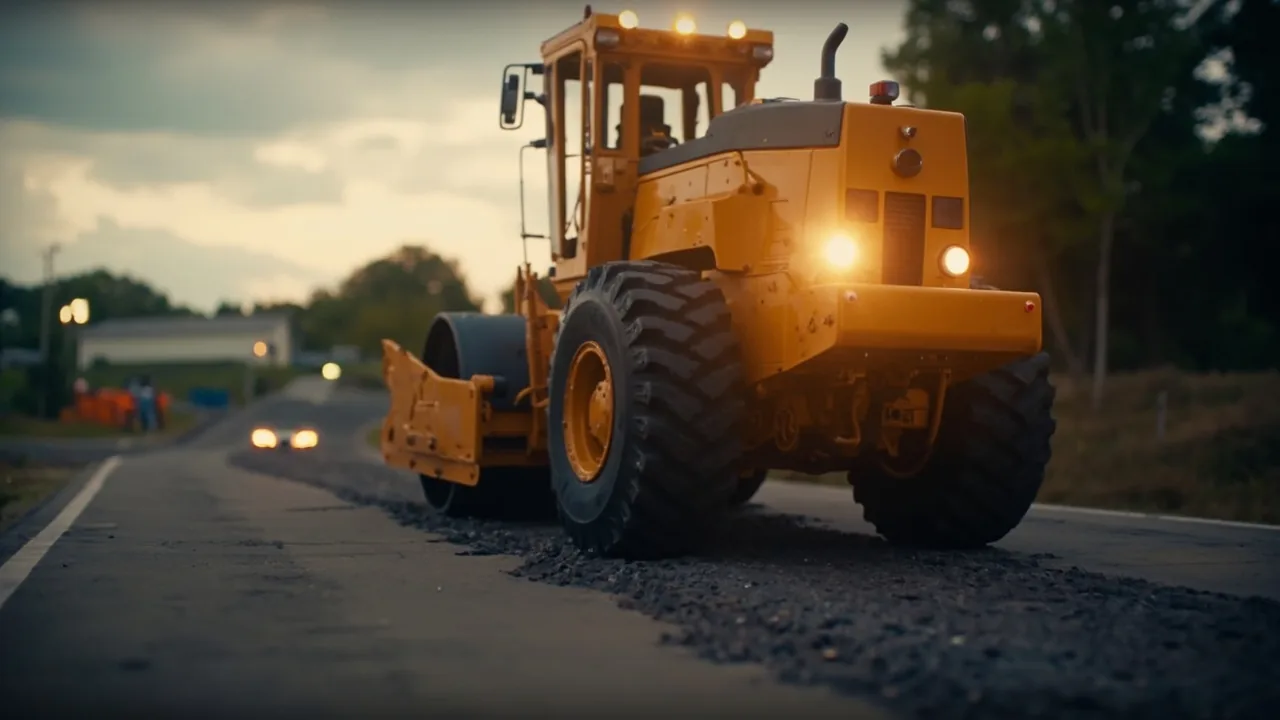
Financing Asphalt Pavers and Road Machinery

Financing asphalt pavers and road machinery spreads the cost of a paver, roller or milling machine, often several hundred thousand dollars, into payments a Canadian paving contractor can time to the spring-to-fall season. You get the equipment without locking up the cash your operation needs to run.
From repaving a subdivision to laying a new highway, a paving contractor depends on reliable equipment. Financing lets you take on work now and pay as the revenue comes in.
Financing Tip for Canadian Paving Contractors
When you finance asphalt equipment in Canada, line your payments up with your seasonal cash flow. Most Canadian paving companies earn the bulk of their revenue from spring through fall, so ask your lender about flexible schedules that track those seasons.
Why Finance Asphalt Pavers and Road Machinery
Financing makes sense for most paving contractors because a new paver runs into the hundreds of thousands, and tying that much capital up in one machine starves the rest of the business. Financing keeps working capital free for crews, fuel, materials, and the next bid while the machine is on the job.
It also keeps your fleet current. Paving technology keeps improving, with better screed controls, grade and slope systems, and cleaner emissions. Financing lets you move up to newer machines without a large cheque, which is how many Canadian contractors grow without overextending.
Maintenance and Long-Term Costs
Maintenance is part of the true cost of a financed machine, because owning the equipment means owning the upkeep. Regular service, such as oil changes, filter swaps, and hydraulic inspections, heads off major repairs and keeps the machine performing.
Pavers work hard, which wears screed plates, conveyor chains, and engines. Budgeting for wear items and planned maintenance keeps surprise bills from disrupting your schedule and your margins.
Some financing deals include a maintenance or service package. Ask your lender or dealer what support comes with your financing term so you know what is covered.
Lease or Buy: Making the Call
Whether to lease or buy depends on your situation. Owning builds equity but puts depreciation and resale risk on you. Leasing is more predictable but can cost more over a long period. Before you commit, consider:
- Your finances and appetite for risk.
- How much you value the latest equipment. Contractors who want a current fleet often lean toward leasing and its easier upgrades.
- Tax treatment. Review it with an advisor before you finance, since the treatment of lease payments versus depreciation can change the true cost.
- Your long-term plans. If your size or equipment needs might change, build flexibility into the deal.
Government Programs and Incentives
Government programs and incentives can sometimes lower the cost of equipment beyond what a standard loan or lease offers. The federal government periodically runs support for small businesses and construction, so it is worth researching grants, tax incentives, and subsidized loans that could cut your equipment cost or improve terms.
Provinces fund infrastructure too, and knowing what projects are coming in your region helps you time equipment purchases. Environmental incentives may apply to machines that meet certain emissions or fuel-efficiency standards, and as Canada focuses more on sustainability, those are likely to grow. Trade associations sometimes offer group financing or member rates as well.
Ready to finance a paver or road machinery? Apply for equipment financing or estimate your monthly payment.
Frequently Asked Questions
What is the typical financing term for asphalt paving equipment in Canada?
Usually three to seven years, depending on the machine, the lender, and your preference. A shorter term means higher monthly payments but less total interest. A longer term lowers the monthly cost. Some lenders adjust the term to your needs and the machine's expected life.
Can I finance used or pre-owned asphalt pavers?
Yes. Many lenders finance pre-owned asphalt pavers and road machinery. Used equipment can cost much less than new while still letting you spread the payments. Lenders weigh the machine's condition, age, and remaining life when they set the terms.
What credit score is needed to finance asphalt equipment?
It depends on the lender. Banks may want a higher score, but specialized equipment lenders also look at the equipment's value, your revenue, and your time in business. Equipment Leasing Canada works with a range of credit situations.
Are there tax benefits for financing equipment in Canada?
Yes, in most deals. Operating lease payments are generally deductible as a business expense. With a capital lease, a loan, or a purchase, you claim capital cost allowance plus any interest instead. The Canada Revenue Agency's guidance says to “Deduct the lease payments incurred in the year for property used in your business.” (CRA) Check with a Canadian tax professional about your situation.
How long does the equipment financing application take?
Often hours to a few business days with a specialized equipment lender, which is usually faster than a bank. Having your registration and financial statements ready speeds the review.
What happens if I need to upgrade equipment during the financing period?
That depends on your agreement. Leases often include early-termination or exchange provisions, and some lenders adjust to changing needs. If an upgrade is likely, raise it at the start so the deal has room for it.
Share this article
Need Equipment?
Get approved for equipment financing in as little as 24 hours. No obligation application.
Get a Free QuoteOr call us directly
1-833-924-9554