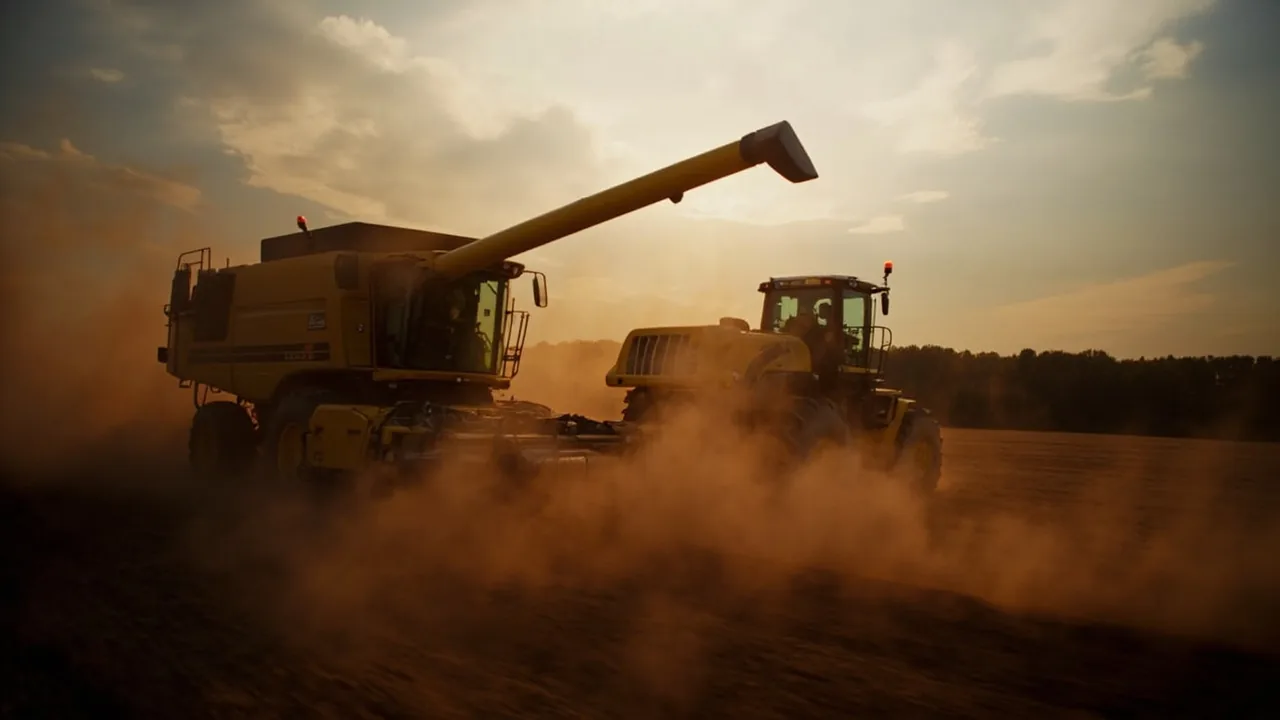

Financing a heavy-duty forage harvester lets a Canadian farm put a major machine to work without draining the cash the operation runs on. Equipment Leasing Canada works through a network of lenders to finance new and used forage harvesters, with options ranging from equipment loans to operating leases to sale-leasebacks that free up capital while you keep running the machine.
Tip: Align Your Financing with Your Harvest Cycle
When you set up financing for a forage harvester, ask the lender about seasonal payments that track your revenue. Many farm deals can be built with lighter payments through planting and heavier ones after harvest, which keeps cash flow steady.
The right financing keeps a forage harvester from straining the rest of the operation. Newer units bring gains in reliability and technology, so a lease or loan that puts the latest machine in your field can pay for itself across a season of crop work. Prepare your documentation early, review the terms with someone who knows the agriculture industry, and pick the structure that best fits your cash flow. Farm Credit Canada notes that “Leasing can be less expensive and simpler than buying since lease payments are often less than loan payments.” (FCC)
Ready to finance a forage harvester? Apply for equipment financing or estimate your monthly payment.
Frequently Asked Questions
What is the interest rate on a harvester loan in Canada?
A well-qualified borrower with solid credit might currently see somewhere in the 5% to 10% range, with the strongest profiles near the bottom of it. The rate depends on your credit score, the term, the lender, and whether the machine itself secures the loan. Agricultural lenders sometimes offer better rates than banks because they account for the income cycle of farming. Compare more than one offer, and weigh the total cost, including fees, rather than the monthly payment or the headline rate alone.
What credit score is needed to finance a tractor or harvester?
Most lenders want a score above 650, the usual threshold for good credit. Many agricultural lenders look beyond the score at your farm's equity, the equipment you already own, how steady your income is, and your history with the lender. Some programs, especially through manufacturers or specialty agricultural lenders, have more flexible criteria. Paying on time and keeping balances low improves your odds and your rate.
How hard is it to get approved through John Deere Financial or similar manufacturer financing?
Usually not very hard if you are buying from their dealers. Manufacturer programs like John Deere Financial tend to offer competitive rates and a simple application, and because they are built for farmers, the criteria can be friendlier than a bank's, especially if you already have a relationship. They still look at your credit, your farm statements, and the machine itself. Pre-approval is quick and lets you shop with confidence. Even so, compare their offer with an independent lender's before you finance the machine.
What do I need to qualify for equipment financing in Canada?
Business registration, financial statements such as a balance sheet and income statement, a couple of years of personal and business tax returns, and bank statements that show your cash flow. Lenders review your personal and business credit alongside the state of agriculture and your own track record. A down payment is common, often 10% to 20% of the purchase price, though that varies with your credit and the product. Organized records and a clear plan for the operation make it easier to get good terms.
Can I finance a used forage harvester, and what are the considerations?
Yes, and it is common. Many lenders have dedicated products for pre-owned equipment. They weigh the machine's age, condition, hours, maintenance history, and remaining life when they set the term and the amount. Rates can be slightly higher than for new, reflecting the added risk and shorter remaining life. Have it inspected by a qualified technician first, and find out whether any warranty or service contract transfers. A used harvester can give you a capable, well-maintained machine at a lower price, while you finance only what you need.
What tax benefits are available when financing agricultural equipment in Canada?
The main ones are capital cost allowance on a purchase and deductible operating lease payments. If you buy the harvester or finance it with a loan, you claim depreciation through the Canada Revenue Agency's Capital Cost Allowance system, an annual deduction at the CCA rate for its class, and the loan interest may also be deductible, with conditions. Some categories qualify for accelerated first-year write-offs. With an operating lease, the payments are generally deductible as a business expense. The Canada Revenue Agency's guidance says to “Deduct the lease payments incurred in the year for property used in your business.” (CRA) A tax professional who knows farm returns can confirm your deductions.
Share this article
Need Equipment?
Get approved for equipment financing in as little as 24 hours. No obligation application.
Get a Free QuoteOr call us directly
1-833-924-9554