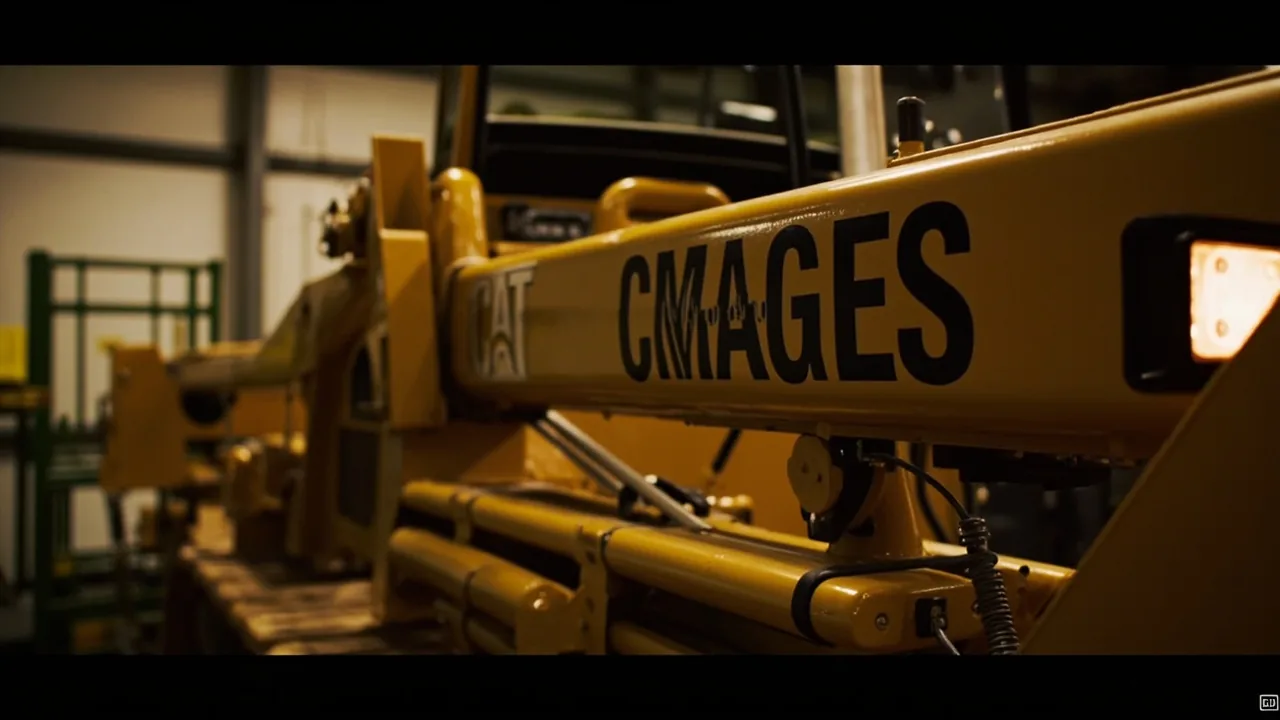

A log loader lifts and stacks heavy timber onto trucks, and financing one keeps a Canadian forestry crew running instead of losing the yard to downtime.
Canadian forestry relies on specialized equipment to load, move, sort, and process timber quickly. Whether you run a small B.C. logging company or a larger operation in Ontario or Quebec, a log loader is a major purchase, so it pays to know your financing options.
What Is a Log Loader?
A log loader is heavy forestry equipment built to handle, load, and stack logs. Unlike a standard construction loader, it is engineered for the bush: uneven ground, heavy payloads, and long hours in rough weather. A typical machine has a powerful hydraulic system, reinforced boom arms, and grapples, clamshell buckets, or other attachments that let an operator move a single log or a whole bundle.
Newer log loaders have better cabs with more visibility, computerized controls, and fuel-efficient engines that meet Canadian emissions rules. Those upgrades are part of why financing appeals: you stay competitive without paying the full price of a new machine up front.
Types of Log Loaders Available in Canada
The four main types of log loader in Canada are:
- Stationary loaders sit in a fixed spot. They are common in sawmills and processing yards, where logs only move a short distance between stations.
- Mobile loaders ride on a wheeled or tracked chassis, so they can move around a site. They suit outdoor work and landings.
- Knuckleboom loaders use an articulated boom that gives good reach and precision in tight spots.
- Swinging grapple loaders have a rotating head that grabs logs from any angle, which suits sorting and stacking.
The right type depends on your scale, terrain, and tasks. Financing lets you get the exact loader you need without draining working capital.
Why Finance a Log Loader in Canada?
Financing a log loader lets a Canadian forestry business spread a large cost over time, often at competitive interest rates. Buying outright can squeeze cash flow and limit your ability to invest elsewhere. Financing keeps your liquidity while you still get the equipment to serve clients and finish contracts.
Forestry's seasonality makes financing more appealing. Reliable modern equipment maximizes productivity, uptime, and revenue during peak harvesting season, and financing lets you get the machine before the season instead of waiting until you have saved the full price.
Financing also gives you the flexibility to upgrade to newer models at the end of the term, so your operation runs current equipment with the efficiency and safety gains that come with it.
Equipment Financing Options for Log Loaders
Equipment Leasing Canada offers three structures for forestry equipment: an operating lease, a capital lease, and an equipment loan. Knowing the differences helps you match one to your business and goals.
Operating Lease
An operating lease lets you run the loader for a set term with regular payments. At the end, you can return it, buy it at fair market value, or move up to a newer machine. It fits if you want lower monthly payments and the freedom to upgrade as the technology advances.
Capital Lease (Finance Lease)
A capital lease works more like a loan and is aimed at ownership. Payments are higher than on an operating lease, but you build equity in the loader, and at the end you can often buy it for a token amount. It works when owning the machine is part of your plan.
Equipment Loan
An equipment loan funds an outright purchase. You pay it down over the term, and once it is repaid, the loader is yours free and clear with no further payments. A loan does take a bigger commitment up front.
Canadian Tax Tip
Under Canada's Capital Cost Allowance system, you deduct the cost of eligible equipment over time. Forestry equipment you buy with a loan or hold under a capital lease may qualify, and you can deduct the interest too. Operating lease payments are generally deductible as a business expense instead. A Canadian tax professional can tell you how your financing affects your taxes.
Benefits of Leasing Log Loaders Over Purchasing
The benefits of leasing a log loader over purchasing one are mostly about cash, tax, and flexibility:
- Your cash reserves stay free for operating costs, surprise repairs, payroll, and whatever else the bush throws at you.
- Fixed monthly payments make budgeting simple and smooth cash flow through slower stretches.
- Operating lease payments are generally deductible as a business expense, which can beat depreciating a purchase. The Canada Revenue Agency's guidance on leasing costs says to “Deduct the lease payments incurred in the year for property used in your business.” (CRA)
- You can often afford a better, more capable loader than you could buy outright, which improves output, reliability, and quality.
- You are protected against obsolescence, since you can upgrade before the machine dates.
- Running everything through one financing partner simplifies the paperwork and record-keeping.
Understanding Payment Structures
A payment structure is how your payments are spread across the term, and it can be shaped to fit forestry's seasonal cash flow.
Standard amortizing payments spread the cost evenly across the term, which is predictable and easy to plan around. Step payments rise or fall over time, which helps if you expect revenue to climb or want a lighter load in the slow months.
Some deals add seasonal payment options that match the rhythm of Canadian forestry: spring thaw, summer maintenance, and fall harvest. Discuss your revenue pattern with your lender so the structure fits your planning.
Financing Considerations for Canadian Forestry Operations
Three Canadian factors shape how you should approach log loader financing: currency, provincial rules, and environmental standards.
Much forestry equipment is priced in American dollars, so exchange-rate moves can change your real cost. Agreements can be structured to account for that and protect you from surprise increases.
Quebec, British Columbia, Ontario, and the other provinces run their own forestry management frameworks, which can influence the loader you need. Financing lets you get equipment that meets regional requirements without straining capital.
Newer log loaders also burn less fuel and produce fewer emissions, which helps you meet environmental standards and shows clients you take sustainability seriously. Financing makes it more feasible to upgrade as those standards rise.
The Equipment Financing Application Process
The application process with Equipment Leasing Canada starts with your equipment needs and finances, and then you submit an application that is reviewed quickly.
Most applications need financial statements or bank records, business registration, and details on the exact loader. Equipment Leasing Canada works with established forestry companies and newer businesses alike, across a range of credit situations.
Once you are approved, the agreement is structured to fit, and you coordinate with the dealer on delivery and setup.
To begin, go to the apply for equipment financing page.
Building Your Forestry Equipment Fleet
A forestry equipment fleet needs the right machines when you need them, and a log loader is central to most operations, moving timber from the landing through processing and onto the truck.
Financing keeps your finances flexible whether you are expanding the fleet, replacing aging machines, or moving into new markets.
Many forestry businesses also finance skidders, forwarders, feller bunchers, and chippers. Equipment Leasing Canada covers the full range of equipment leasing and equipment financing for every part of the operation.
The guide to how equipment leasing works can help you make better decisions about your equipment investments.
Frequently Asked Questions
What credit score is needed to finance a log loader in Canada?
There is no minimum score. Equipment Leasing Canada works with businesses across the credit spectrum. Stronger credit earns better rates, and solid documentation and steady revenue strengthen any application.
How long can I finance a log loader in Canada?
Usually two to seven years, depending on the machine, the structure, and your preference. A shorter term means higher payments but less total interest. A longer term lowers the monthly cost but adds interest over time.
Can I finance a used log loader?
Yes. Many Canadian forestry companies find a used loader offers a good balance of cost and capability. Age, condition, and hours all affect approval and terms, but a well-kept used loader from a reputable maker qualifies, sometimes with warranty still in place.
What happens if I need to upgrade my equipment before the financing term ends?
It can usually be arranged. Depending on your structure, you might modify the agreement, move the equipment to a new arrangement, or set up a transition to newer equipment. Raise upgrade plans before you sign so the deal can adapt.
Are there down payment requirements for log loader financing?
Ready to finance a log loader? Apply for equipment financing or estimate your monthly payment.
class="lead text-xl text-slate-600 mb-8">A log loader lifts and stacks heavy timber onto trucks, and financing one keeps a Canadian forestry crew running instead of losing the yard to downtime.Canadian forestry relies on specialized equipment to load, move, sort, and process timber quickly. Whether you run a small B.C. logging company or a larger operation in Ontario or Quebec, a log loader is a major purchase, so it pays to know your financing options.
What Is a Log Loader?
A log loader is heavy forestry equipment built to handle, load, and stack logs. Unlike a standard construction loader, it is engineered for the bush: uneven ground, heavy payloads, and long hours in rough weather. A typical machine has a powerful hydraulic system, reinforced boom arms, and grapples, clamshell buckets, or other attachments that let an operator move a single log or a whole bundle.
Newer log loaders have better cabs with more visibility, computerized controls, and fuel-efficient engines that meet Canadian emissions rules. Those upgrades are part of why financing appeals: you stay competitive without paying the full price of a new machine up front.
Types of Log Loaders Available in Canada
The four main types of log loader in Canada are:
- Stationary loaders sit in a fixed spot. They are common in sawmills and processing yards, where logs only move a short distance between stations.
- Mobile loaders ride on a wheeled or tracked chassis, so they can move around a site. They suit outdoor work and landings.
- Knuckleboom loaders use an articulated boom that gives good reach and precision in tight spots.
- Swinging grapple loaders have a rotating head that grabs logs from any angle, which suits sorting and stacking.
The right type depends on your scale, terrain, and tasks. Financing lets you get the exact loader you need without draining working capital.
Why Finance a Log Loader in Canada?
Financing a log loader lets a Canadian forestry business spread a large cost over time, often at competitive interest rates. Buying outright can squeeze cash flow and limit your ability to invest elsewhere. Financing keeps your liquidity while you still get the equipment to serve clients and finish contracts.
Forestry's seasonality makes financing more appealing. Reliable modern equipment maximizes productivity, uptime, and revenue during peak harvesting season, and financing lets you get the machine before the season instead of waiting until you have saved the full price.
Financing also gives you the flexibility to upgrade to newer models at the end of the term, so your operation runs current equipment with the efficiency and safety gains that come with it.
Equipment Financing Options for Log Loaders
Equipment Leasing Canada offers three structures for forestry equipment: an operating lease, a capital lease, and an equipment loan. Knowing the differences helps you match one to your business and goals.
Operating Lease
An operating lease lets you run the loader for a set term with regular payments. At the end, you can return it, buy it at fair market value, or move up to a newer machine. It fits if you want lower monthly payments and the freedom to upgrade as the technology advances.
Capital Lease (Finance Lease)
A capital lease works more like a loan and is aimed at ownership. Payments are higher than on an operating lease, but you build equity in the loader, and at the end you can often buy it for a token amount. It works when owning the machine is part of your plan.
Equipment Loan
An equipment loan funds an outright purchase. You pay it down over the term, and once it is repaid, the loader is yours free and clear with no further payments. A loan does take a bigger commitment up front.
Canadian Tax Tip
Under Canada's Capital Cost Allowance system, you deduct the cost of eligible equipment over time. Forestry equipment you buy with a loan or hold under a capital lease may qualify, and you can deduct the interest too. Operating lease payments are generally deductible as a business expense instead. A Canadian tax professional can tell you how your financing affects your taxes.
Benefits of Leasing Log Loaders Over Purchasing
The benefits of leasing a log loader over purchasing one are mostly about cash, tax, and flexibility:
- Your cash reserves stay free for operating costs, surprise repairs, payroll, and whatever else the bush throws at you.
- Fixed monthly payments make budgeting simple and smooth cash flow through slower stretches.
- Operating lease payments are generally deductible as a business expense, which can beat depreciating a purchase. The Canada Revenue Agency's guidance on leasing costs says to “Deduct the lease payments incurred in the year for property used in your business.” (CRA)
- You can often afford a better, more capable loader than you could buy outright, which improves output, reliability, and quality.
- You are protected against obsolescence, since you can upgrade before the machine dates.
- Running everything through one financing partner simplifies the paperwork and record-keeping.
Understanding Payment Structures
A payment structure is how your payments are spread across the term, and it can be shaped to fit forestry's seasonal cash flow.
Standard amortizing payments spread the cost evenly across the term, which is predictable and easy to plan around. Step payments rise or fall over time, which helps if you expect revenue to climb or want a lighter load in the slow months.
Some deals add seasonal payment options that match the rhythm of Canadian forestry: spring thaw, summer maintenance, and fall harvest. Discuss your revenue pattern with your lender so the structure fits your planning.
Financing Considerations for Canadian Forestry Operations
Three Canadian factors shape how you should approach log loader financing: currency, provincial rules, and environmental standards.
Much forestry equipment is priced in American dollars, so exchange-rate moves can change your real cost. Agreements can be structured to account for that and protect you from surprise increases.
Quebec, British Columbia, Ontario, and the other provinces run their own forestry management frameworks, which can influence the loader you need. Financing lets you get equipment that meets regional requirements without straining capital.
Newer log loaders also burn less fuel and produce fewer emissions, which helps you meet environmental standards and shows clients you take sustainability seriously. Financing makes it more feasible to upgrade as those standards rise.
The Equipment Financing Application Process
The application process with Equipment Leasing Canada starts with your equipment needs and finances, and then you submit an application that is reviewed quickly.
Most applications need financial statements or bank records, business registration, and details on the exact loader. Equipment Leasing Canada works with established forestry companies and newer businesses alike, across a range of credit situations.
Once you are approved, the agreement is structured to fit, and you coordinate with the dealer on delivery and setup.
To begin, go to the apply for equipment financing page.
Building Your Forestry Equipment Fleet
A forestry equipment fleet needs the right machines when you need them, and a log loader is central to most operations, moving timber from the landing through processing and onto the truck.
Financing keeps your finances flexible whether you are expanding the fleet, replacing aging machines, or moving into new markets.
Many forestry businesses also finance skidders, forwarders, feller bunchers, and chippers. Equipment Leasing Canada covers the full range of equipment leasing and equipment financing for every part of the operation.
The guide to how equipment leasing works can help you make better decisions about your equipment investments.
Frequently Asked Questions
What credit score is needed to finance a log loader in Canada?
There is no minimum score. Equipment Leasing Canada works with businesses across the credit spectrum. Stronger credit earns better rates, and solid documentation and steady revenue strengthen any application.
How long can I finance a log loader in Canada?
Usually two to seven years, depending on the machine, the structure, and your preference. A shorter term means higher payments but less total interest. A longer term lowers the monthly cost but adds interest over time.
Can I finance a used log loader?
Yes. Many Canadian forestry companies find a used loader offers a good balance of cost and capability. Age, condition, and hours all affect approval and terms, but a well-kept used loader from a reputable maker qualifies, sometimes with warranty still in place.
What happens if I need to upgrade my equipment before the financing term ends?
It can usually be arranged. Depending on your structure, you might modify the agreement, move the equipment to a new arrangement, or set up a transition to newer equipment. Raise upgrade plans before you sign so the deal can adapt.
Are there down payment requirements for log loader financing?
Not always. Some deals need little or no money down. Others work better with a down payment, which reduces the financed amount and can improve your terms.
Share this article
Need Equipment?
Get approved for equipment financing in as little as 24 hours. No obligation application.
Get a Free QuoteOr call us directly
1-833-924-9554