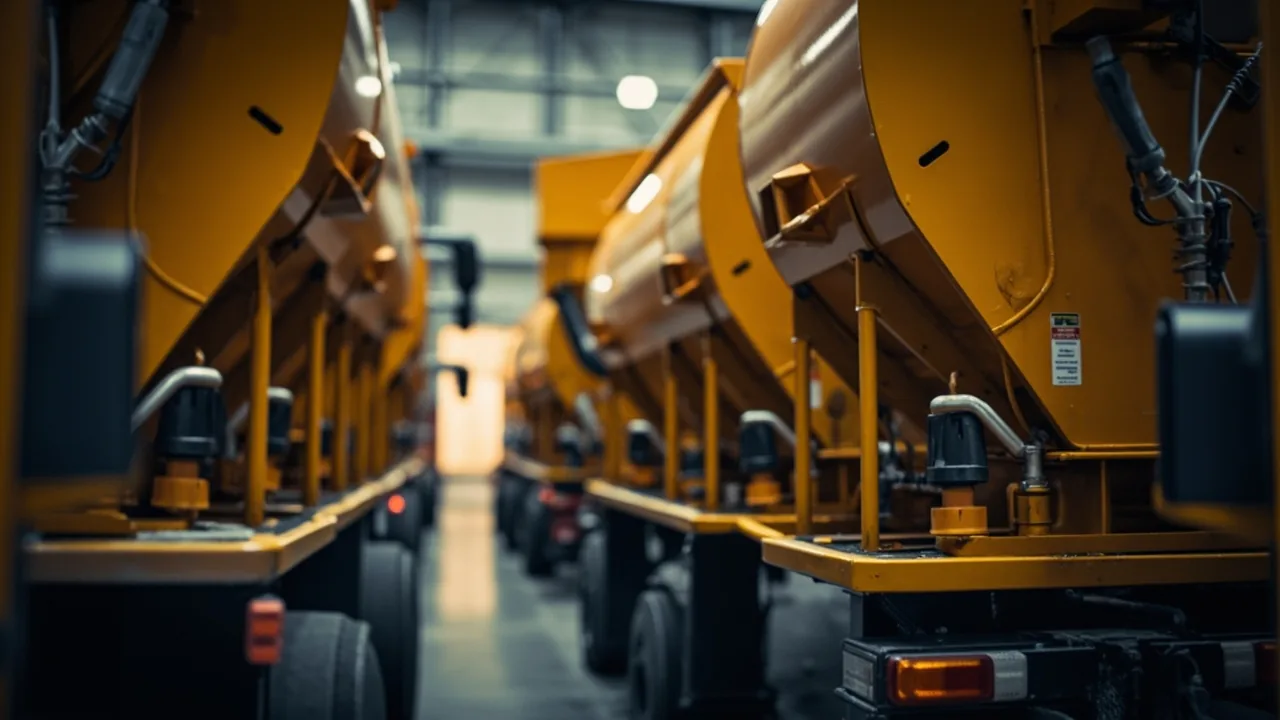

A pneumatic dry bulk trailer is a sealed tank trailer that moves powders and granules (cement, flour, plastic pellets, fly ash) by pushing them out with compressed air instead of dumping them. For a Canadian carrier, leasing one puts the right trailer under your loads without tying up the cash that buying would take.
These trailers haul dry bulk for construction, agriculture, and food producers. Each one is a major asset, so how you pay for it matters. Leasing has become the common route because it spreads the cost, keeps you flexible, and carries some tax advantages.
Canadian Business Tip
When you compare pneumatic trailer leases, look at the total cost over the term, not just the monthly payment: maintenance, insurance, and any repairs. Some deals include a maintenance package, which simplifies budgeting and keeps the trailers in good condition.
Heavy Equipment Considerations for Pneumatic Trailers
A pneumatic dry bulk trailer counts as heavy equipment, which brings its own operating and regulatory requirements for Canadian carriers. Transport Canada sets the weight limits, safety equipment, and operating standards for commercial trailers on the highway. Your lease should account for that compliance so any trailer you take on meets current safety and environmental rules.
Provincial rules add another layer. Alberta, British Columbia, Ontario, and Quebec each have their own commercial-vehicle regulations that govern how heavy equipment operates inside their borders. If you run interprovincial, you have to meet the strictest rule that applies and keep the paperwork that proves it.
Insurance on leased heavy equipment usually costs more than on a standard commercial vehicle, given the value and the specialized build. Your lease spells out the coverage you need, and an insurer who knows commercial fleets can get you solid protection at a fair rate.
The Canadian Dollar and Equipment Financing
The exchange rate affects the cost of financing a trailer, especially when the trailer or its components come from abroad. Many pneumatic trailers are built in American, European, or Asian plants, so the purchase price can swing with the exchange rate. A lease locks your payments in Canadian dollars for the whole term, which protects you from that volatility.
Interest rates matter too. A fixed-rate lease holds your payment steady whatever rates do in the wider economy, so you can budget and forecast your costs even when the outlook is uncertain.
Approaching Equipment Leasing for Your Business
Approaching a lease starts with an honest look at your fleet, your growth, and how much flexibility you need. A carrier that is growing fast or has seasonal swings benefits from a lease that lets the fleet expand and contract with the work.
Think beyond today's needs to where your industry, your customers, and the regulations are heading. A lease with an upgrade option at the end lets you move to newer technology without a large capital outlay or a disruptive changeover.
A financing specialist can help you work through the details and structure the lease around your situation. Equipment Leasing Canada finances both new and used pneumatic trailers.
Frequently Asked Questions
What are the typical lease terms for pneumatic dry bulk trailers in Canada?
Usually two to five years. Most Canadian deals fall between 36 and 60 months, with the option to extend, buy, or return the trailer at the end. Seasonal or short terms can sometimes be arranged for intermittent needs.
Can I include maintenance services in my pneumatic trailer lease?
Yes. Many deals offer a maintenance package covering routine service, inspections, and repairs through the term. It keeps your costs predictable in one monthly payment and puts the trailers in the hands of technicians who know pneumatic systems.
What insurance coverage is required for leased pneumatic trailers?
Usually comprehensive and collision coverage with the lessor named as loss payee, plus liability that meets your province's minimum. Your agreement may set specific limits, so work with an insurer who knows commercial fleets to get the right protection at a reasonable price.
How long does the application and approval process take?
Between a few days and two weeks. The timing depends on how complex your business is and how ready your financial statements are for a credit check.
Are there differences in leasing options between Canadian provinces?
Lease structures are broadly the same across Canada, though some provincial rules can affect how a business sets up its financing. Sales tax on leases is handled differently in Quebec and in other provinces with their own PST, so include the local tax when you work out the total cost.
What happens if my business needs to upgrade trailers before the lease ends?
Some agreements include early-termination provisions that let you move to newer equipment before the term ends. They usually carry a fee. Ask about upgrade options up front so the flexibility is written into the deal.
Does Equipment Leasing Canada provide support throughout the lease term?
Yes. Equipment Leasing Canada can help with payment questions, end-of-term decisions, and adjusting your financing as your needs change.
Ready to lease a pneumatic trailer? Apply for equipment financing or estimate your monthly payment.
Share this article
Need Equipment?
Get approved for equipment financing in as little as 24 hours. No obligation application.
Get a Free QuoteOr call us directly
1-833-924-9554