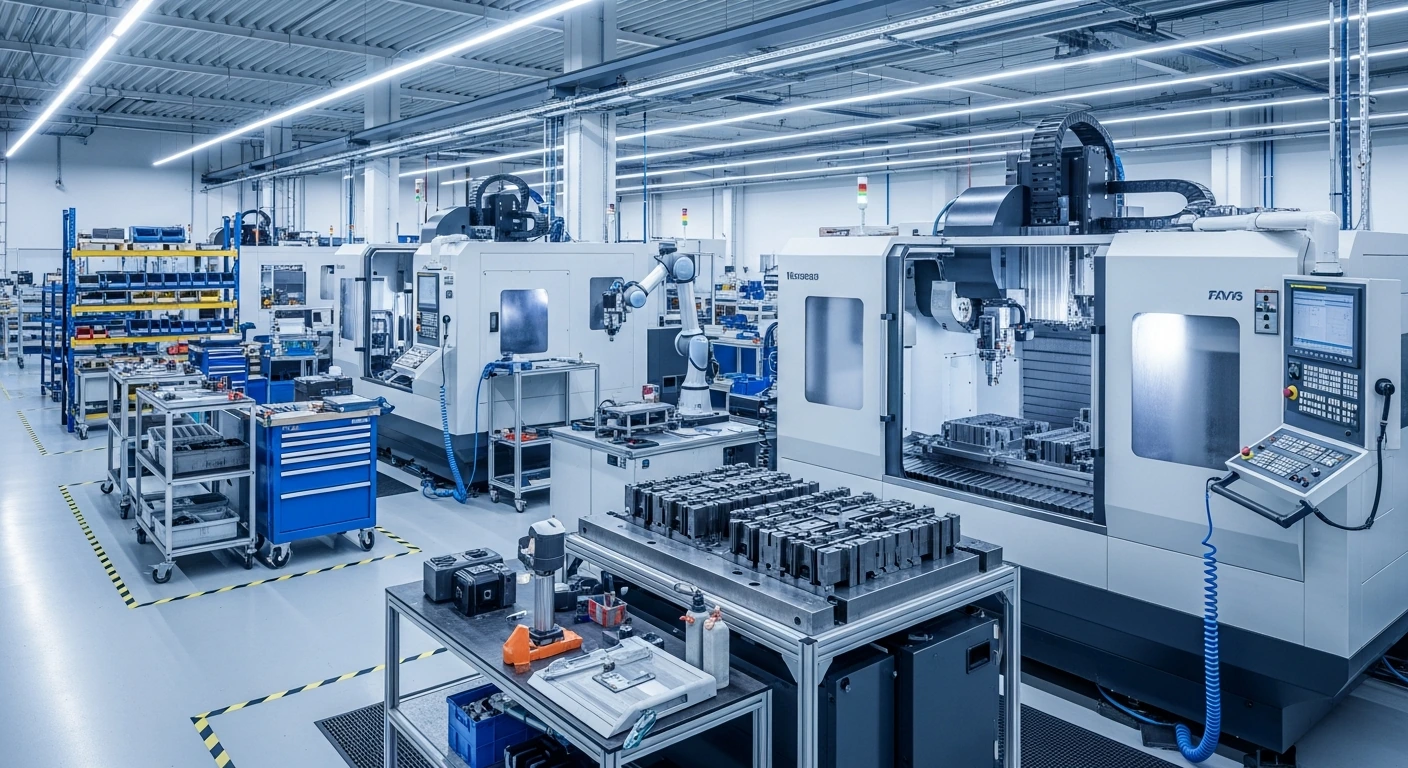

A sale-leaseback is a deal where you sell equipment you already own to a leasing company and immediately lease it back, turning its equity into cash while you keep using it. It makes sense when you have value tied up in equipment and would rather have it as working capital.
What is a Sale Leaseback?
A sale-leaseback is a financial transaction where you sell an asset, usually equipment, to a leasing company, then immediately lease that same asset back. The equity locked in the equipment becomes cash on hand, and the equipment keeps running in your business. It frees up working capital and can clean up your balance sheet at the same time.
For example, you own a machine worth $100,000. You sell it to a leasing company like Equipment Leasing Canada for $100,000, then lease it back for a set monthly payment over a fixed term. You become the lessee, and the buyer is both purchaser and lessor. When the term ends, you can usually buy the asset back, renew, or return it.
How a Sale Leaseback Works
A sale-leaseback works in four steps: the leasing company assesses your equipment, buys it at an agreed price, leases it back to you, and gives you end-of-term options to buy, renew or return it.
- Assessment. The leasing company weighs the equipment's market value, condition, and remaining life.
- Sale. You sell it to them at an agreed price, which puts cash in your hands.
- Leaseback. At the same time, you sign a lease agreement covering the term, the monthly payment, and your end-of-term options. Day to day, nothing changes: you keep using and maintaining the equipment as if you still owned it.
- End of term. When the lease ends, you typically choose to buy it back, renew, or return it.
Example Scenario for a Canadian Business
An Ontario manufacturer owns specialized machinery worth $500,000 and needs cash to fund a marketing campaign across Canada. It does a sale-leaseback with Equipment Leasing Canada: we buy the machinery for $500,000, which funds the campaign, and the company leases it back at a fixed monthly payment. Production never pauses. The business grows while still running the machinery it depends on.
Benefits of a Sale Leaseback for Canadian Businesses
The main benefit of a sale-leaseback is cash: an immediate lump sum for expansion, paying down debt, or working capital. It has other advantages too:
- Credit stays available: it usually leaves your existing credit lines untouched for other funding.
- Possible tax benefits: payments under an operating lease are generally deductible as a business expense. Your tax advisor should confirm how the CRA's rules, federal and provincial, apply to you.
- A cleaner balance sheet: structured as an operating lease, the deal can keep the asset off your balance sheet, which improves your ratios for investors.
- End-of-term flexibility: you can buy, renew, or return the equipment.
- Focus: ownership passes to the leasing company, so you can concentrate on the core business.
Tip
Before you sign a sale-leaseback, look honestly at your finances and long-term goals. Weigh the interest rate, the lease term, and any purchase options so the deal serves your strategy.
When is a Sale Leaseback a Good Option?
A sale-leaseback is a good option for funding growth, restructuring, covering short-term cash gaps, financing an acquisition, or paying for upgrades. Fast-growing companies use it to fund expansion without diluting equity or adding debt. Businesses in restructuring use it to clean up the balance sheet and free capital for strategic moves. It can also cover a short-term working-capital gap, such as a seasonal dip or a surprise expense, help finance an acquisition, or pay for upgrades and facility improvements. In each case, you have value sitting in equipment you own and would rather have it as cash. Sale-leasebacks are common in commercial real estate too, where a company sells its building and stays on as a tenant.
Factors to Consider Before a Sale Leaseback
Before a sale-leaseback, compare its cost with other financing, check the lease terms, confirm you are getting fair market value, and review the tax and balance-sheet effects. Make sure leasing is the cheapest route compared with your other options. Read the lease terms closely: the length, the payments, and the purchase options. An independent appraisal helps confirm fair market value. Weigh the effect on your balance sheet and income statement, and talk to your tax advisor before you commit.
Sale Leaseback vs. Equipment Financing
Equipment financing pays for new equipment, while a sale-leaseback unlocks cash from equipment you already own. If you need new equipment, look at equipment financing instead. If you are weighing leasing against buying new, there is a separate guide to equipment leasing.
Finding the Right Sale Leaseback Partner in Canada
The right sale-leaseback partner has a track record in these deals, knows your industry and what your equipment is worth, and offers transparent, competitive rates. Look also for a willingness to shape the lease to your needs and a good reputation with other businesses. These agreements have moving parts, so expert guidance matters.
Equipment Leasing Canada works with Canadian businesses across sectors, from manufacturing to transportation.
Ready to unlock cash from equipment you own? Apply for equipment financing or estimate your monthly payment.
Frequently Asked Questions
What types of equipment are eligible for a sale leaseback?
A broad range qualifies: manufacturing and construction equipment, transport vehicles, medical equipment, even office equipment. What matters most is the market value and the useful life left in it. We can assess whether your equipment is a fit.
How is the value of the equipment determined?
By market value, condition, age, and remaining useful life. Leasing companies rely on independent appraisers, industry databases, and their own judgment to arrive at a number. The goal is a fair valuation of what the equipment is worth.
What happens if I can't make the lease payments?
Talk to the leasing company early. They will often work with you, restructuring the lease or pausing payments for a while. If you miss payments without a word, you risk penalties, late fees, and eventually losing the equipment. Your agreement defines exactly what counts as default.
Are there any restrictions on how I can use the cash from the sale leaseback?
No, in most cases. You can use the cash for any legitimate business purpose, such as expansion, paying down debt, or working capital. It still helps to have a clear plan for the funds.
Share this article
Need Equipment?
Get approved for equipment financing in as little as 24 hours. No obligation application.
Get a Free QuoteOr call us directly
1-833-924-9554