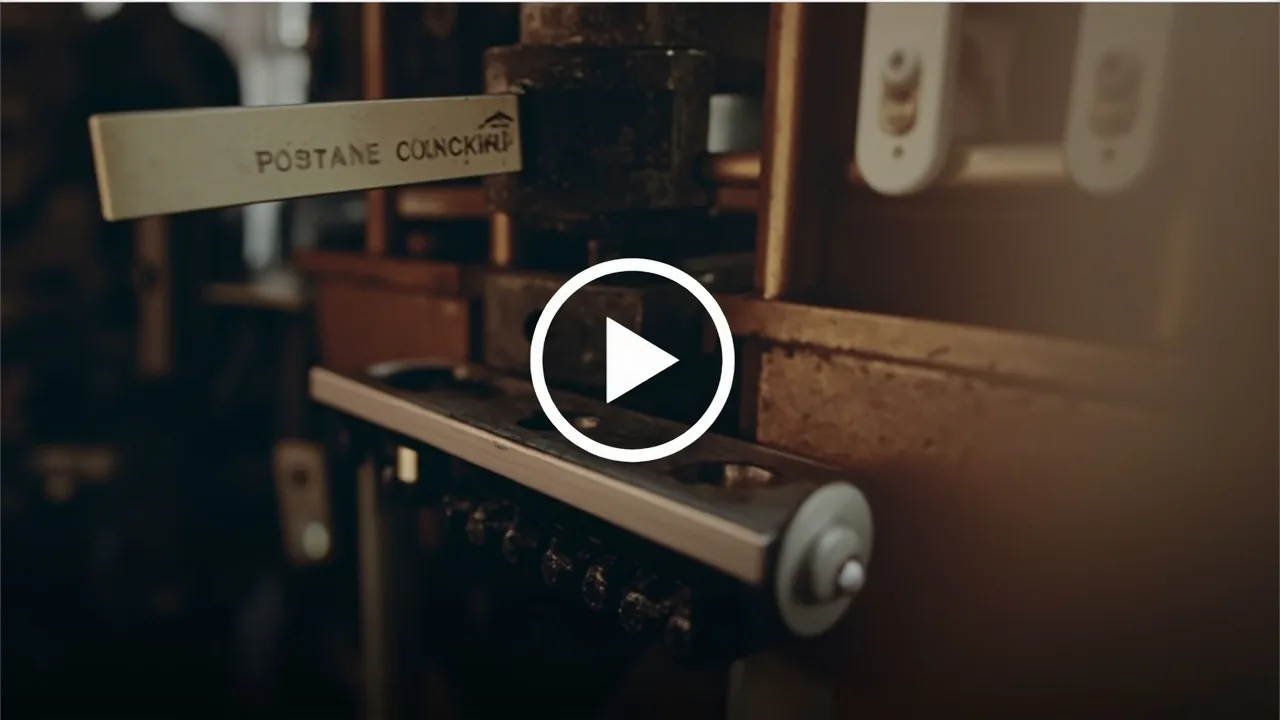

A hydraulic press brake bends sheet metal, and equipment financing lets Canadian manufacturers and fab shops get the press brakes they need without tying up their working capital.
Understanding Press Brake Financing in Canada
Press brake financing lets you put the machine on your floor now and pay it off over time in monthly payments, instead of spending the capital to buy a new or used hydraulic press brake outright. Your cash flow stays intact and you still get the bending capacity you need for production.
Sheet-metal fabrication keeps growing in Canada, and shops from British Columbia to Ontario need reliable press brakes to serve automotive, aerospace, construction, and general manufacturing. For a small shop in Calgary or a large plant in the GTA, the right financing is part of staying competitive.
Why Financing a Press Brake Makes Sense for Your Business
Financing gets you a press brake without the large upfront cost of buying, so working capital stays free. You spread the cost across a term that tracks your revenue, which matters when you are balancing money across equipment, inventory, payroll, and everything else.
Cash flow is the main reason. Instead of draining working capital on a single machine, you keep liquidity for surprises, opportunities, or investments elsewhere. Many Canadian deals offer flexible payment structures that you can shape to seasonal revenue or project-based cycles.
Financing also puts newer technology within reach. Press brakes keep improving, with better automation, tighter precision controls, and more energy efficiency, and financing lets you get those gains instead of settling for an older, less capable machine.
Maintaining Equipment Flexibility
Equipment flexibility means having options when your needs change. Lease or finance a press brake and you usually get choices at the end of the term: upgrade to a newer machine, buy the current one at fair market value (FMV), or return it and find a structure that fits where you are now.
Types of Equipment Financing Available for Press Brakes
Canadian shops can finance a press brake with a lease, an equipment loan, or a sale and leaseback. Knowing the differences helps you pick the one that fits your goals and how you operate.
Equipment Lease
A press brake lease usually means fixed monthly payments over a term, often two to five years. At the end, you can buy the machine, renew, or return it. An operating lease suits a business that would rather not own long-term, while a capital lease gives you a path to ownership.
Equipment Loan
An equipment loan, through a Canadian bank or an alternative lender, puts the machine in your name from day one. The press brake secures the loan, which usually earns a better rate than unsecured borrowing, and every payment builds equity.
Sale and Leaseback
A sale and leaseback lets you sell a press brake you already own to a financing company and lease it right back on terms that fit your cash flow. It turns an illiquid asset into working capital while you keep bending parts.
Tip for Canadian Business Owners
When you weigh press brake financing, look at the total cost: interest, fees, and any end-of-term purchase price. Get quotes from a few lenders and compare the effective annual rate.
The Press Brake Financing Process in Canada
The press brake financing process has three stages, and it is usually smoother than a traditional business loan. Knowing what is coming helps you get a clean approval.
Application and Documentation
The application covers your business, the machine you want, and the structure you prefer. Canadian lenders usually ask for financial statements, bank statements, business registration, and the press brake's make, model, age, and price. An equipment finance company that knows manufacturing machinery can speed this up considerably.
Credit Review and Approval
Approval depends mostly on your business creditworthiness, steady cash flow, and the machine's value. A traditional commercial loan focuses on balance-sheet ratios and long credit history. Equipment financing also weighs the collateral value of the press brake, which often means faster decisions and better terms for shops that would not qualify for conventional lending.
Most equipment finance companies decide within days, and many offer same-day or next-day answers on a clean file. They look at your time in business, revenue consistency, credit history, and the press brake's specs.
Equipment Delivery and Documentation
Once you are approved, the deal is structured and the paperwork completed. The machine is delivered, inspected, and commissioned, the agreement is registered, and payments start on schedule. Through the term, you run the press brake while building toward ownership or working through your lease.
Tax Benefits and Financial Advantages for Canadian Businesses
Financing a press brake in Canada brings tax benefits through capital cost allowance, lease payment and interest deductions, and GST/HST input tax credits.
Capital Cost Allowance
Capital Cost Allowance (CCA) is the deduction the Income Tax Act lets Canadian businesses claim on eligible depreciable property, press brakes included. If you own the machine through a loan or an ownership-transfer lease, you may claim CCA to reduce taxable income. Accelerated depreciation in certain classes can deliver a large deduction in the purchase year and beyond.
Lease Payments and Interest Deductions
On an operating lease, the full lease payment is usually deductible as a business expense in the year you pay it, an immediate deduction compared with depreciating an owned machine. The Canada Revenue Agency's guidance on leasing costs says to “Deduct the lease payments incurred in the year for property used in your business.” (CRA) If you finance through a loan, the interest portion may also be deductible. Check with a Canadian tax professional to see how your structure works.
GST/HST Considerations
GST or HST applies to the press brake's purchase price when you finance in Canada. If you are registered, input tax credits may let you recover the GST or HST you paid. Knowing how the tax applies keeps your cost calculations accurate.
Choosing the Right Financing Option for Your Press Brake
The right financing option depends on your business needs, your goals, and how you operate. Weigh these factors:
- Long-term equipment needs: whether you want to own or stay flexible to upgrade.
- Cash flow: the monthly payment you can actually carry.
- Tax position: how ownership compares with leasing for you.
- Machine specs: whether coming technology might push you to upgrade.
- Total cost: interest, fees, and any end-of-term purchase option.
- Provider reputation: vet the finance company before you sign.
For some shops, a straight lease offers the best balance of flexibility and affordability. Others want the ownership of a loan despite the bigger commitment. Still others prefer a lease-to-own arrangement that splits the difference.
Equipment Leasing Canada finances and leases equipment for Canadian businesses coast to coast, including Quebec, Ontario, Alberta, and British Columbia. That includes press brakes for a precision fabricator in Vancouver, a structural steel shop in Winnipeg, or an industrial manufacturing plant in Montreal.
For more background on acquiring machinery, read the guides to equipment leasing and equipment financing.
Ready to finance a press brake? Apply for equipment financing or estimate your monthly payment.
Frequently Asked Questions
What credit score is needed to finance a press brake in Canada?
There is no single cutoff, because approval weighs more than a credit score. Lenders review your credit history, but the press brake itself is collateral, which can support an approval even with moderate credit. Canadian equipment financiers look at overall business health, steady revenue, industry experience, and the specific machine. With past credit problems, you may still qualify through alternative or private lenders who specialize in equipment finance.
How long does it take to get approved for press brake financing?
Often 24 to 48 hours from a complete application, and a simple, well-documented file can be approved the same day. Timing depends on how complex your business is, the amount, and how complete your paperwork is. Having financials, bank statements, and machine details ready speeds it up.
Can I finance a used or older press brake machine?
Yes. Many Canadian financiers cover both new and used press brakes. Age limits vary, but many will finance machines up to 10 or 15 years old, depending on condition, service history, and the term you want. Used deals may come with slightly different terms or extra documentation, and a well-kept press brake's resale and collateral value often earns good terms.
What happens if I want to upgrade my press brake before the financing term ends?
It depends on the structure. On an operating lease, you can often return the current machine and start a new lease on a newer one. On a loan, you would pay off the balance before switching. Many Canadian financiers offer upgrade paths or roll-over options without a large penalty, so raise upgrade flexibility before you sign.
Share this article
Need Equipment?
Get approved for equipment financing in as little as 24 hours. No obligation application.
Get a Free QuoteOr call us directly
1-833-924-9554